The Leiden International (Bio)Medical Student Conference (LIMSC) is one of the world's largest biennial student conferences that unites passionate student, PhD candidates, postdocs, and young researchers. LIMSC covers topics in medicine, biomedical sciences, pharmacy, clinical technology, and other life sciences.
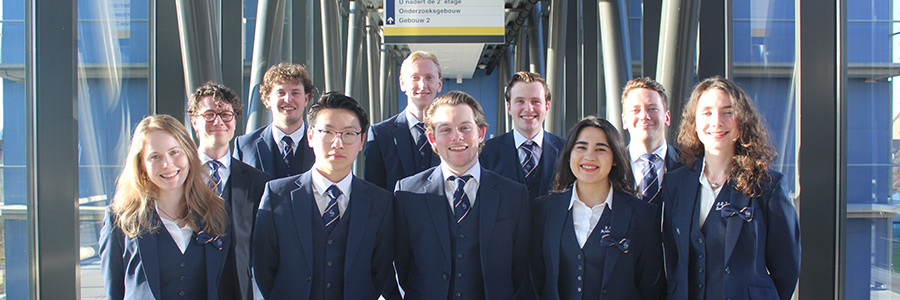
LIMSC is organised by a dedicated team of students from Leiden University Medical Center. Throughout the year, they work together to develop an inspiring international conference that brings together students from medicine, biomedical sciences, pharmacy, medical technology, and related disciplines. The conference offers young researchers the opportunity to present their work, exchange ideas, and meet students and professionals from around the world.
LIMSC is organised by students, but they work closely with academic advisors, former committee members, and institutional partners.
Academic advisors help safeguard the scientific quality of the programme, while LIMSC alumni provide practical experience and continuity between different editions of the conference. In addition, the support of the Executive Board of Leiden University Medical Center, Leiden University, and the City of Leiden reflects the strong academic and local foundation on which LIMSC is built.
Together, this allows LIMSC to combine student initiative with professional guidance. It helps the conference remain ambitious, well-organised, and firmly connected to the academic community, while continuing to develop with each new edition.
Organising Committee
The Leiden International Medical Student Conference is organised by a team of students from Leiden University Medical Center, with backgrounds in medicine, biomedical sciences, Technical Medicine, and related fields. The Organising Committee is responsible for shaping every part of the conference and works to create a programme that is both scientifically strong and welcoming to students from around the world.
Throughout the two-year preparation period, the committee works on all aspects of LIMSC, including keynote lectures, workshops, student presentation sessions, social events, partnerships, logistics, promotion, and the overall participant experience. This requires close collaboration within the committee, as well as regular contact with speakers, academic advisors, partners, and participants. By combining student initiative with academic ambition, the Organising Committee aims to create an international conference where young researchers can present their work, receive feedback, exchange ideas, and build connections that extend beyond the conference itself.
Swipe to scrollUse your mouse (shift+scroll) to scroll
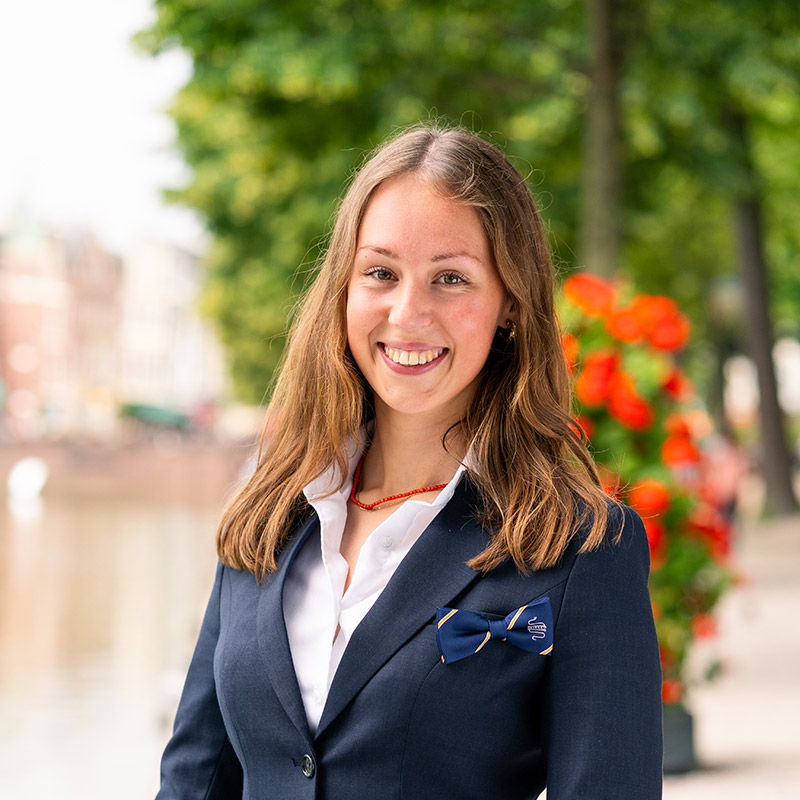
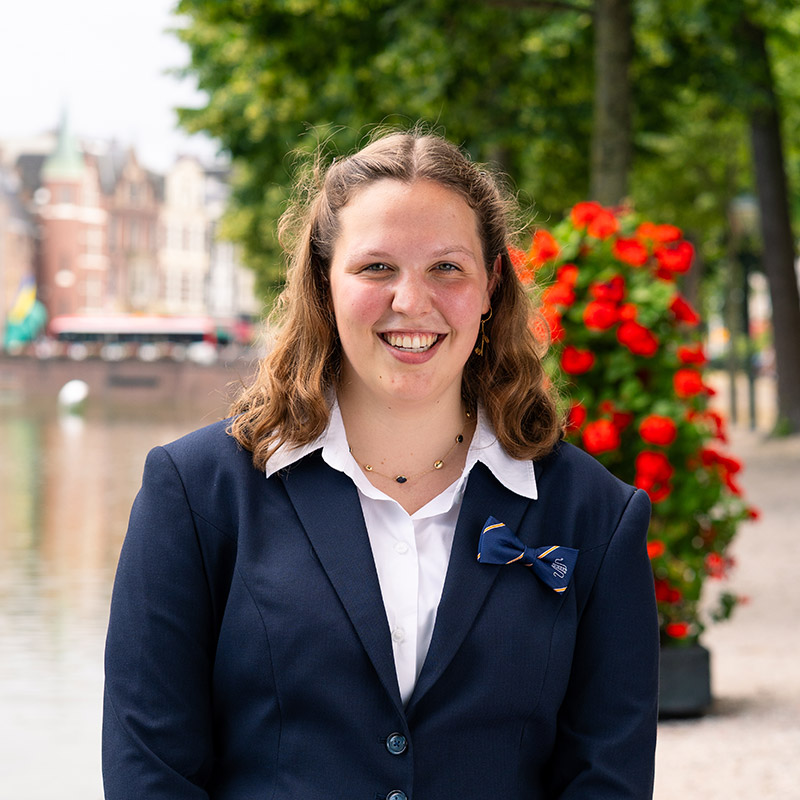
The President leads the Organising Committee and oversees the overall direction and coordination of LIMSC. As the central point of contact within the committee, the President helps allign the different portofolios and ensures that the conference develops according to its ogals, planning, and long-term vision.
The President also represents LIMSC in meetings with university representatives, partners, sponsors, and external organisations. In addition, the President maintains contact with the Advisory Committee, the Committee of Recommendation, and other advisory bodies, and supports committee members in carrying out their roles. By bringing these different parts of the organisation together, the President helps ensure that LIMSC continues to grow as an international conference for student research.
Juliette Mensink
Fifth-year medical student
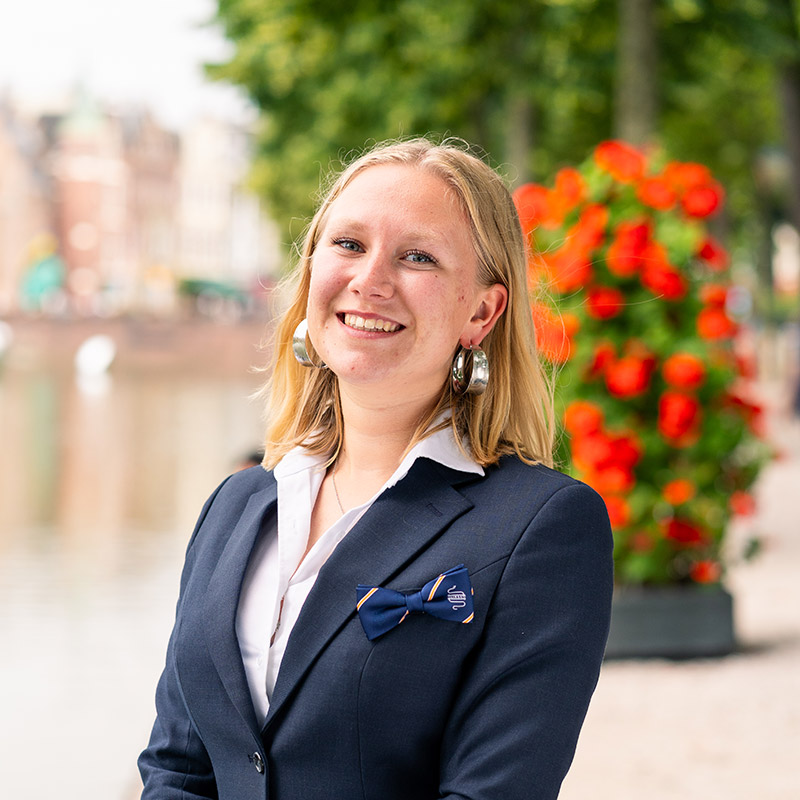
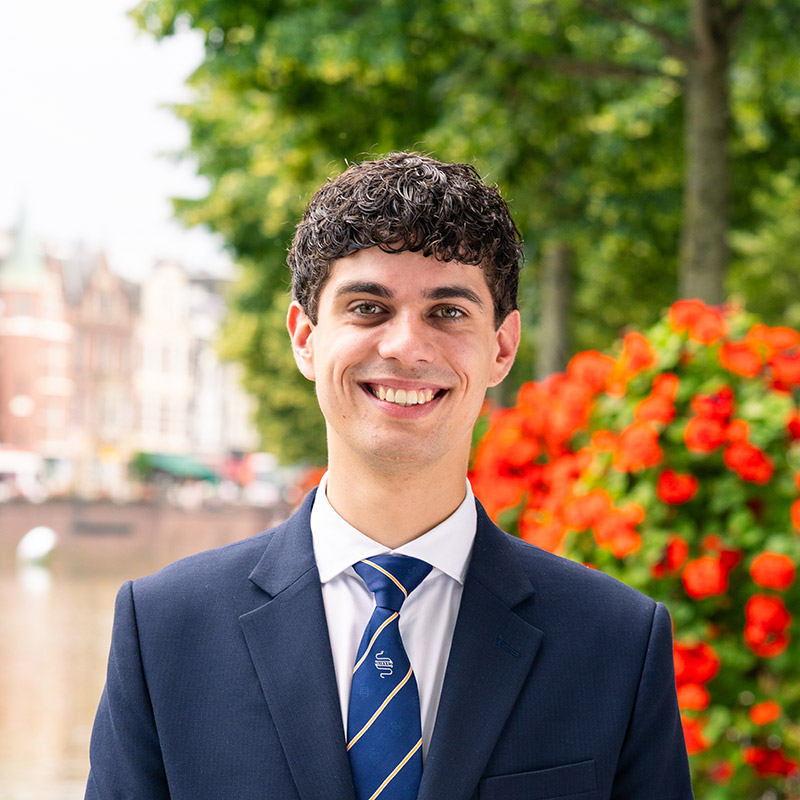
The Secretary is responsible for the internal organisation, administration, and communication of LIMSC. This role helps keep the committee's work structured and ensures that important information is clear, accurate, and accessible.
Key responsibilities include preparing and documenting meetings, keeping track of decisions and deadlines, managing correspondance, and maintaining official records. The Secretary also supports external communication, updates the website, and assissts participants with practical matters, such as visa applications. In this way, the Secretary plays an important role in the smooth organisation of LIMSC.
Kian den Braber
Second-year medical student
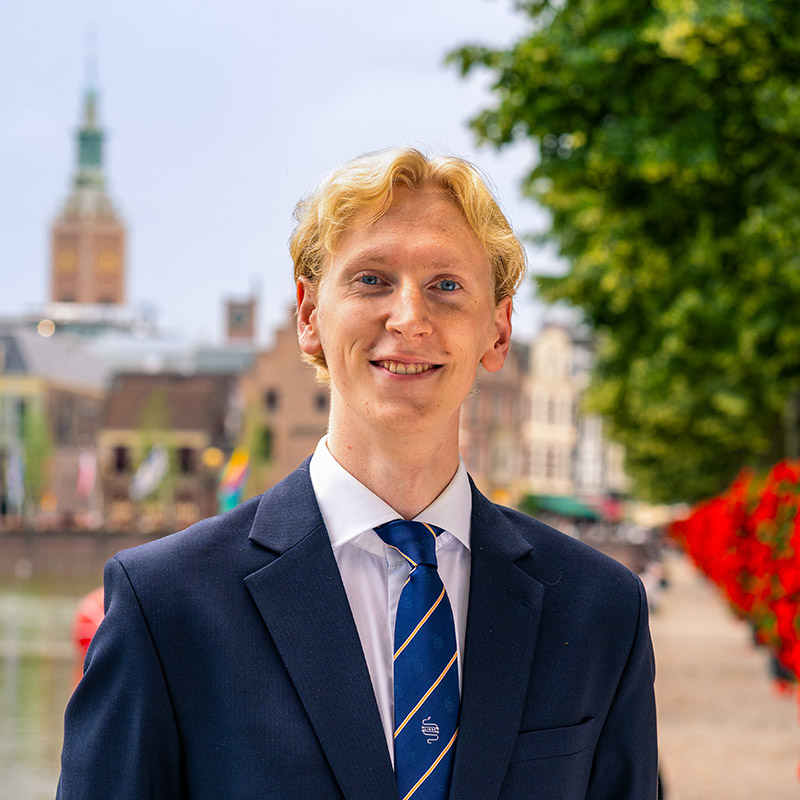
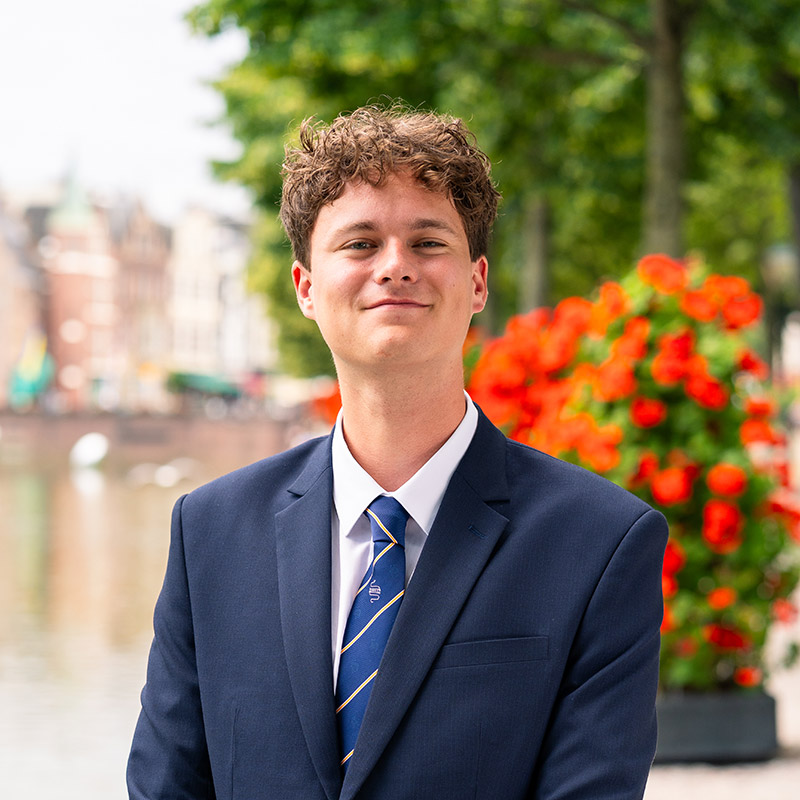
The Treasurer manages the financial organisation of LIMSC. This includes preparing the budget, monitoring income and expenses, processing payments, and keeping clear financial records. As LIMSC is an international conference with many different acitivities, careful financial planning is essential.
The Treasurer works closely with the other committee members to make sure that plans remain financially feasible. This includes supporting decisions about the programme, social events, partnerships, and participant fees. By overseeing the financial side of the conference, the Treasurer helps ensure that LIMSC remains both ambitious and sustainable.
Tijmen Stalenberg
Sixth-year medical student
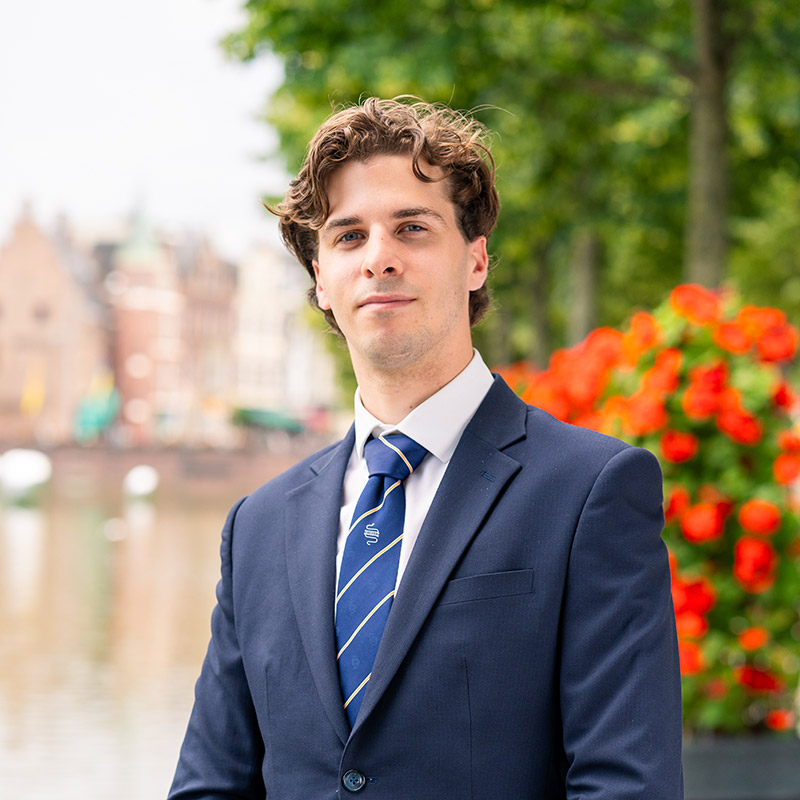
The Scientific Programme Officer develops and coordinates the scientific programme of LIMSC. This role is closely connected to the core aim of the conference: giving students the opportunity to present, discuss, and further develop their research in an international setting.
The Scientific Programme Officer works on keynote lectures, workshops, symposia, and student presentation sessions. This also includes coordinating the abstract submission and review process, maintaining contact with speakers and reviewers, and working together with academic advisors. Through this work, the officer helps create a programme that reflects current developments in medicine, biomedical sciences, pharmacy, medical technology, and related fields.
Cas Taal
Sixth-year medical student
The Social Programme Officer organises the social programme of LIMSC. These activities give participants the opportunity to meet each other outside the scientific sessions and to experience the international and student led character of the conference.
The programme may include networking activities, cultural events, evening programmes, and the traditional Black Tie event. By creating informal moments for participants to connect, the Social Programme Officer helps build a welcoming atmosphere and strengthens the sense of community during the conference.
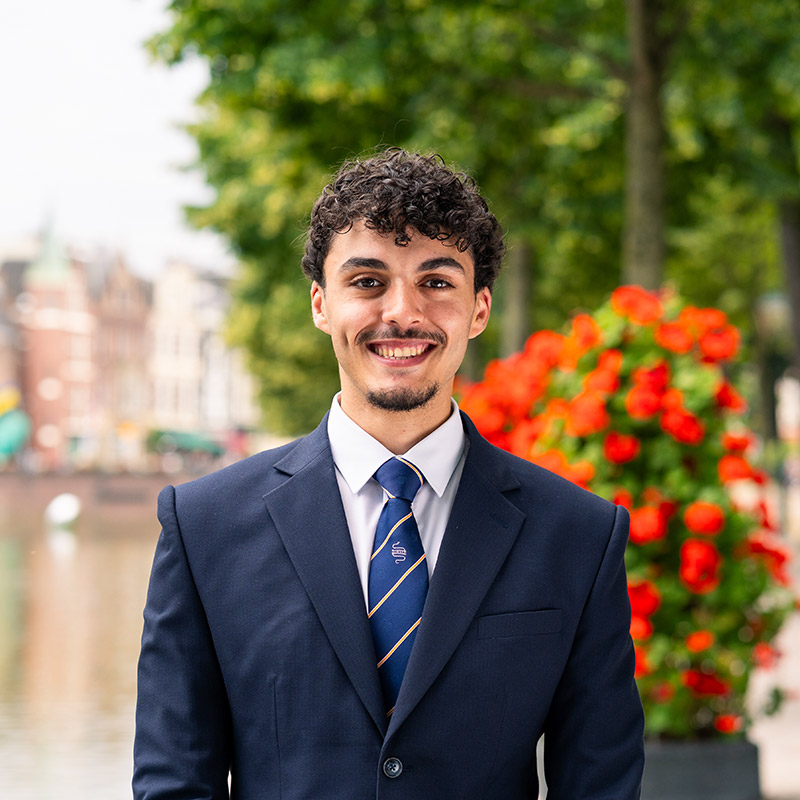
Moad Hrichi
Third-year medical student
The Public Relations Officer is responsible for the visibility, branding, and external communication of LIMSC. This role focuses on reaching students, researchers, partners, and other interested groups, both in the Netherlands and abroad.
Responsibilities include managing the LIMSC website and social media channels, creating promotional campaigns, preparing newsletters and announcements, and coordinating visual and written communication. Through clear and consistent outreach, the Public Relations Officer helps attract participants, strengthen LIMSC's identity, and keep the international student research community engaged.
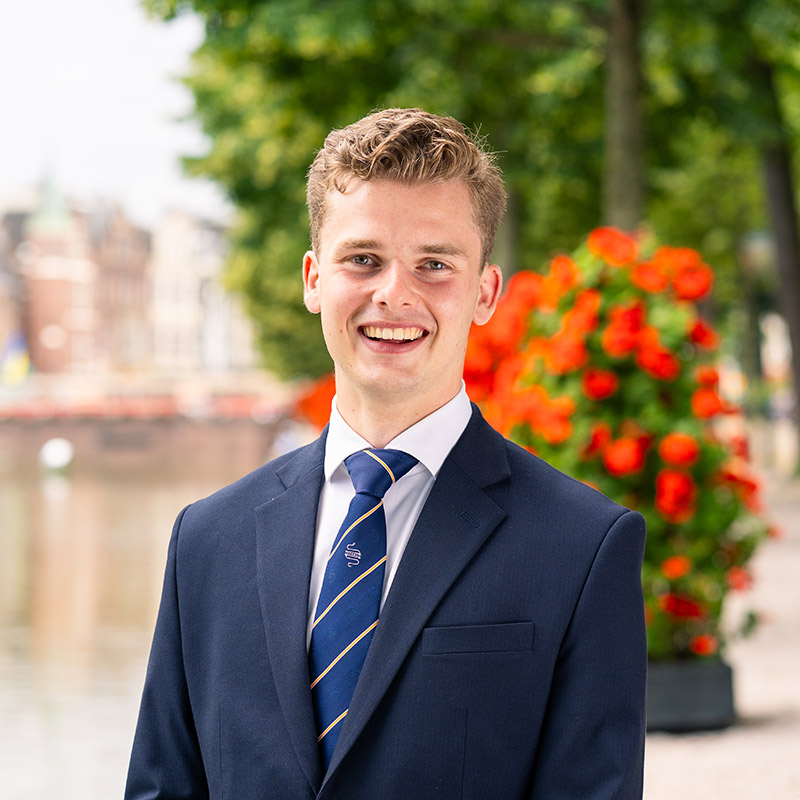
Hugo van Buuren
Second-year medical student
The Acquisition Officer is responsible for building and maintaining partnerships that support LIMSC. This includes contact with sponsors, companies, institutions, and other organisations that are interested in scientific education, innovation, and student development.
The Acquisition Officer approaches potential partners, prepares sponsorship proposals, and maintains contact with existing collaborators. These partnerships provide financial and practical support for the conference, helping LIMSC remain accessible, ambitious, and professionally organised. At the same time, they strengthen the connection between LIMSC and the wider academic, clinical, and professional community.
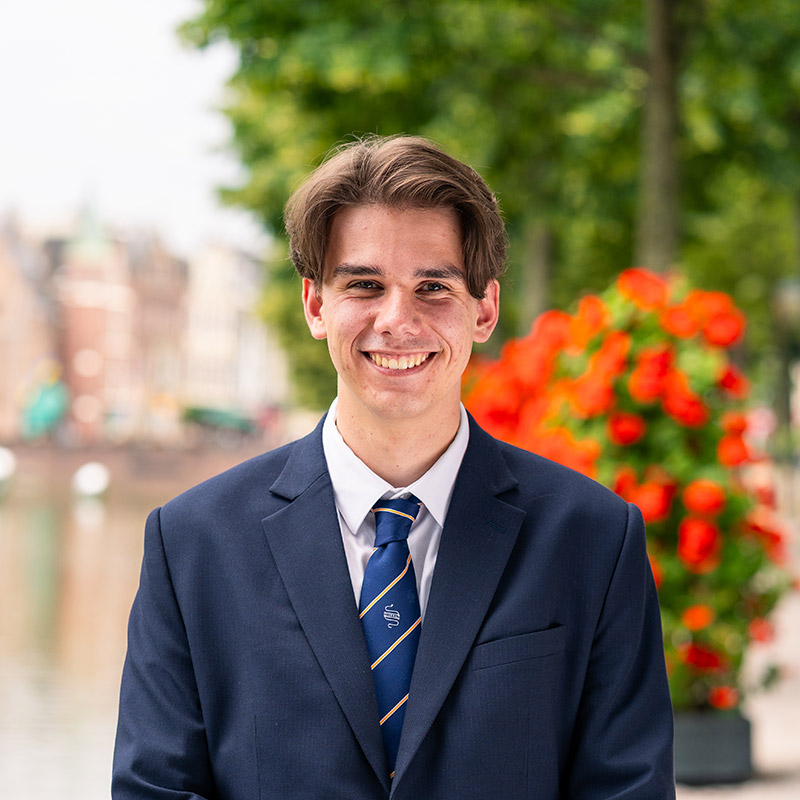
Jimi van der Helm
Second-year medical student
The Logistics Officer coordinates the practical organisation of the conference. This role focuses on making sure that the facilities, materials, and operational planning are in place for participants, speakers, and guests.
Responsibilities include room planning, technical support, catering, transportation, on-site materials, and the overall scheduling of the conference activities. During the conference itself, the Logistics Officer plays and important role in coordinating operations and solving practical issues as they arise. This helps ensure that the conference runs smoothly from start to finish.
Loes Frank
Fifth-year medical student
Nog geen informatie beschikbaar.
Naomi van Ommeren
Fourth-year medical student
Nog geen informatie beschikbaar.
Head Crew
The Head Crew consists of enthusiastic students who support the Organising Committee in the preparation and execution of LIMSC. Each officer of the Organising Committee is supported by one or more Head Crew members, who assist with the practical organisation of their specific portfolio, such as the scientific programme, social activities, acquisition, logistics, public relations, or general coordination.
By working closely with the Organising Committee throughout the year, the Head Crew plays an essential role in turning plans into practice. Their involvement includes supporting the organisation of workshops and sessions, assisting with communication and promotion, helping coordinate partners and participants, and contributing to the many practical details required to organise an international conference.
During the conference itself, the Head Crew forms an important link between the Organising Committee and the wider crew. They help guide participants and speakers, support the programme on site, assist with registration and logistics, and help ensure that the conference runs smoothly. Through their commitment and enthusiasm, the Head Crew contributes greatly to the professional, welcoming, and well-organised atmosphere of LIMSC.
Committee of Recommendation
The Committee of Recommendation consists of distinguished individuals who support the mission and ambitions of LIMSC. Their involvement underlines the importance of the conference as an international platform for student research, scientific exchange, and academic development. By lending their name, expertise, and support to LIMSC, members of the Committee of Recommendation help strengthen the visibility and credibility of the conference. Their endorsement reflects the value of bringing together students, researchers, clinicians, and innovators from around the world.
Swipe to scrollUse your mouse (shift+scroll) to scroll
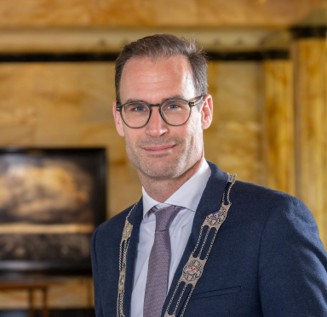
Peter Heijkoop has served as Mayor of Leiden since September 2024. As Mayor, he represents a city with science, medicine, and international exchange have played a defining role for centuries. Leiden is home to the oldest university in the Netherlands, founded in 1575, Leiden University Medical Center and the Leiden Bio Science Park, the largest Life Sciences & Health cluster in the Netherlands and one of the leading science parks in Europe.
Today, more than 500 organisations at the Bio Science Park bring together researchers, healthcare professionals, entrepeneurs, and international companies working on the future of health. This combination of a historic university city and a rapidly developing centre for biomedical innovation makes Leiden a natural home for an international scientific conference such as LIMSC.
As Mayor, Heijkoop places particular emphasis on connection and on ensuring that Leiden remains a city in which people from different backgrounds feel welcome and can contribute to its community.
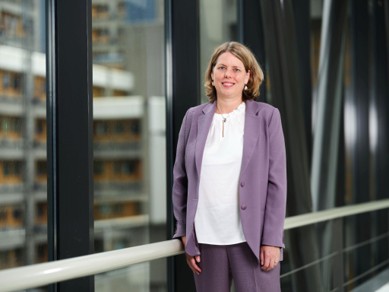
Prof. dr. Marlies Reinders
Dean of Faculty of Medicine, LUMC
Marlies Reinders is Professor of Internal Medicine and Dean of the Faculty of Medicine at Leiden University, as well as a member of the Executive Board of Leiden University Medical Center. A physician scientist by training, she worked as an internist nephrologist and built an international academic career in kidney transplantation. Part of her doctoral research was conducted at Harvard Medical School in Boston, and her later research has focused on translating innovations in transplantation into clinical practice.
Alongside her clinical and scientific work, Reinders has been closely involved in innovation medical education. She has developed international educational programmes in transplantation and explored new approaches including online learning, virtual reality, and augmented reality.
Central to her educational vision is the idea that students should not simply observe science, but actively participate in it. Her work brings together research, education, and clinical practice, reflecting the same principles of curiosity and active scientific participation that are at the heart of LIMSC
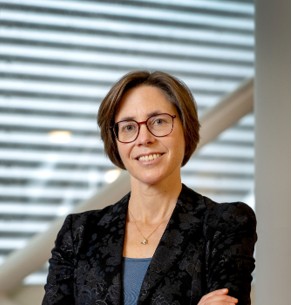
Prof. dr. Sarah de Rijcke
Rector Magnificus of Leiden University
Sarah de Rijcke is Rector Magnificus of Leiden University and Professor of Science, Technology & Innovation Studies. As Rector, she is responsible for education, research, student affairs, and academic policy across one of Europe's oldest research universities.
De Rijcke is an internationally recognised scholar in the study of science itself. Her research explores how scientific quality is defined and evaluated, how research cultures develop and how science interacts with society. She previously served as Scientific Director of Leiden University's Centre for Science and Technology Studies and as Dean of the Faculty of Social and Behavioural Sciences.
Her work is stronly interdisciplinary and has taken her into international advisory roles in research policy, open science, and university governance. She is also a member of the Dutch UNESCO Commission. As Rector, she advocates an academic culture built on quality, openness, and collaboration across disciplinary and national boundaries, values that strongly resonate with the international character of LIMSC.
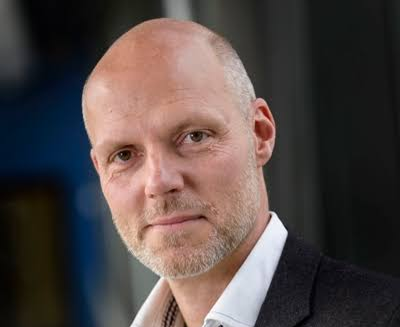
Prof. dr. Geert Jan Groeneveld
Chief Executive Officer, Centre for Human Drug Research
Geert Jan Groeneveld is Chief Executive Officer of the Centre for Human Drug Research, Professor of Clinical Neuropharmacology at Leiden University Medical Center and a practising neurologist specialising in neurological causes of chronic pain. His career brings together clinical medicine, experimental research, and the development of new treatments.
Groeneveld trained as a neurologist at University Medical Center Utrecht and obtained his PhD studying new pharmacotherapeutic strategies for amyotrophic lateral sclerosis. He subsequently worked in biotechnical at Genzyme, where he was involved in gene therarpy programmes for Parkinson's disease and the development for enzyme replacement therapy for Pompe disease.
His scientific work focuses on earyly phase drug development for neurological diseases and pain. He has published more than 150 scientific articles and is actively involved in training PhD candidates and young researchers. At CHDR, he leads an organistation internationally recognised for translating pharmacological science into innovative early clinical drug research.
Academic Advisory Committee
The Academic Advisory Committee consists of distinguished professors and senior academics from Leiden University Medical Center. With their broad expertise across different fields of medicine and biomedical sciences, they advise the Organising Committee on the scientific direction and academic quality of the conference.
Their guidance helps ensure that LIMSC remains a high-quality international platform for student research. In addition, members of the Academic Advisory Committee act as ambassadors for LIMSC by sharing their knowledge, experience, and professional networks.
Swipe to scrollUse your mouse (shift+scroll) to scroll
Alexandra Langers is Professor of Gastroenterology and Hepatology, with a special focus on innovation and professionalisation in medical education, and Vice Dean of Education at Leiden University Medical Center. Alongside her academic leadership role, she continues to work as a gastroenterologist.
Education has been a central theme throughout her career. Her research examines how medical education can evolve through new technologies such as extended reality, digital assessment, and new approaches to faculty development. She received a prestigious Comenius Senior Fellowship for an educational innovation that enables medical and nursing students to traing together. She is also active in international organisations involved in medical education and curriculum development, including United European Gastroenterology and the European Society and Board of Gastroenterology and Hepatology.
Langers strongly believes that medical education should stimulate curiosity and critical thinking. Her combination of clinical medicine, educational innovation, and academic leadership makes her a natural advocate for opportunities that allow students to become actively involved in science from an early age.
Prof. dr. Martine Jager
Professor of Ophthalmology, LUMC
Martine Jager is Professor of Ophthalmology at Leiden University Medical Center and an internationally recognised expert in ocular melanoma. Her research focuses on understanding the biology and immunology of eye melanoma and translating this knowledge into improved treatment for patients.
Her academic career has a particularly international character. She has held positions as Visiting Professor at Peking University Health Science Center in China and Adjunct Scientist at the Schepens Eye Research Institute of Harvard Medical School in Boston. She has served as President of the International Society of Ocular Oncology and as President of the Association for Research in Vision and Ophthalmology, one of the world's leading organistions for vision research. She is also a member of the Academia Ophthalmologica Internationalis and the European Academy of Ophthalmology.
International scientific exchange has been a recurring theme throughout her career. Jager has described bringing researchers from abroad to Leiden and helping Leiden researchers gain experience internationally as an important part of her academic work, a philosophy that closely reflects the international spirit of LIMSC.
Prof. dr. Paul Quax
Professor of Experimental Vascular Medicine, LUMC
Paul Quax is Professor of Experimental Vascular Medicine at Leiden University Medical Center, with a particular focus on experimental vascular surgery. A vascular biologist by training, his research explores how blood vessels respond to disease and injury and how understanding these processes can lead to new therapeutic strategies. His work covers vascular remodelling, atherosclerosis, angiogenesis, and regenerative vascular medicine.
A defining feature of his research is the close connection between laboratory science and clinical medicine. His translational research programme brings preclinical and clinical research together with the aim of turning discoveries in vascular biology into new treatments for patients. Quax has been recognised as an Established Investigator by the Netherlands Heart Foundation and is a Fellow of the American Heart Association.
He also has a longstanding commitment to developing young researchers. At the LUMC, he coordinates scientific internships within the Medicine master's programme, giving medical students the opportunity to experience research as an integral part of their training.
Dr. Maartje Huijbers
Vice Dean of Research, LUMC
Maartje Huijbers is Vice Dean of Research at Leiden University Medical Center, Associate Professor and research group leader within the Departments of Human Genetics and Neurology. She combines her role in shaping the scientific strategy of the LUMC with an acitve research programme in neuroimmunology and autoimmune disease.
Her research centres on an unusual class of antibodies known as IgG4. Early in her career, Huijbers recognised that several apparently different autoimmune diseases shared an unexpected IgG4 antibody response. This observation developed into a research programme seeking to understand why these antibodies become pathogenic and how that knowledge might be used to develop new treatments for diseases including MuSK myasthenia gravis.
In 2024, she was awarded a prestigious European Research Council Starting Grant to invesitgate the origins of pathogenic IgG4 responses and explore ways of selectively switching these immune responses on or off. In 2025, she became the LUMC's first Vice Dean of Research, combining scientific leadership with her own work as an active investigator.
Prof. dr. Leo Visser
Professor of Infectious Diseases, LUMC
Leo Visser is Professor of Infectious Diseases at Leiden University Medical Center and Head of Infectious Diseases within LUCID. His work spans clinical medicine, research, and education, with particular expertise in vaccinology, travel and tropical medicine, immune disorders, and global health.
His research addresses questions with direct international relevance, including how long protection after vaccination persists, how vaccination can be optimised in older or immunocompromised individuals and how limited vaccine supplies can be used more effectively during outbreaks. His group investigates alternative schedules and dose-sparing strategies for vaccines against diseases including yellow fever, rabies, and mpox.
Visser has held leading roles in the international travel medicine community and serves on national and international scientific committees. He is also closely involved in educating medical students and training future specialists in internal medicine and infectious diseases. His careerd brings together clinical care, scientific research, global health, and international collaboration, making him particularly well aligned with the international and multidisciplinary character of LIMSC.
Advisory Committee
Although LIMSC is organised by students, the committee is supported by experienced advisors who help safeguard the quality, continuity, and academic value of the conference. The Advisory Committee provides guidance on both scientific and organisational matters and helps connect LIMSC to the wider academic community.
The Advisory Committee consists of two complementary groups: the Academic Advisory Committee and the LIMSC Alumni Advisory Committee.
Scientific Committee
The Scientific Committee supports the Organising Committee in maintaining the scientific quality of LIMSC. Its members contribute to the abstract selection process by reviewing submitted research and helping identify high-quality student presentations for the conference.
By bringing together academic expertise from different fields, the Scientific Committee helps ensure a fair, careful, and scientifically rigorous selection process. Their contribution is essential in making LIMSC a strong platform for students to present their research to an international and professional audience.
LIMSC Alumni Advisory Committee
The LIMSC Alumni Advisory Committee consists of former members of the LIMSC Organising Committee. Having previously organised the conference themselves, they provide valuable practical insight and help preserve knowledge between different editions of LIMSC.
Their role is to support the current Organising Committee on matters that benefit from experience and continuity, such as long-term strategy, committee structure, partnerships, promotion, and organisational planning. In this way, the Alumni Advisory Committee helps LIMSC continue to develop while building on the strengths of previous editions.